Best Aviation Courses for Jobs in India in 2026: Complete Career Guide for Students and Parents
If you are looking at the sky and dreaming of a stable, exciting career, there has never been a better time to join the aviation industry. Choosing the right path can be confusing for students and parents alike, but understanding the market and the courses available makes the decision much easier.
1. The Aviation Boom in India
Aviation in India is expanding at a historic pace. Today, India is the world’s third-largest domestic aviation market, and hiring is actively happening across airlines, airports, aircraft maintenance (MRO), and security sectors.
- Airport Expansion: India has doubled its operational airports from 74 in 2014 to over 160 today, with targets to cross 220 in the coming years.
- Massive Fleet Growth: Indian airlines (like Air India, IndiGo, and Akasa Air) have placed record-breaking orders for thousands of new aircraft.
- Regional Connectivity: The UDAN scheme is connecting smaller cities, creating a massive demand for ground staff, security, and management.
- Demand for Skills: Every new aircraft requires a dedicated team of pilots, cabin crew, maintenance engineers, and back-office planners to keep it flying safely.
2. Best Aviation Courses: Which Course Fits Which Job?
There are many ways to enter the aviation industry depending on whether you want to be in the air, on the tarmac, or in the corporate office.
| Course / Qualification | Duration | Approx. Total Cost (₹) | Target Job Roles | Avg. Starting Salary (Monthly) |
| Commercial Pilot License (CPL) | 18 – 24 Months | 40L – 80L | First Officer, Captain, Flight Instructor | ₹1.5L – ₹2.5L |
| Cabin Crew Training | 6 – 12 Months | 1L – 2.5L | Flight Attendant, In-Flight Supervisor | ₹35,000 – ₹55,000 |
| Aircraft Maintenance Eng. (AME) | 2 – 4 Years | 3L – 6L | Aircraft Technician, Licensed AME | ₹20,000 – ₹35,000 (Grows rapidly post-license) |
| B.Tech Aerospace / Aeronautical | 4 Years | 4L – 10L | Aircraft Designer, Tech Services, CAMO | ₹30,000 – ₹60,000 |
| BBA/MBA Aviation Management | 3 – 5 Years | 3L – 8L | Airport Operations, Terminal Manager | ₹25,000 – ₹50,000 |
| Ground Staff / Security Diploma | 3 – 6 Months | 50,000 – 1.5L | Cargo Agent, Security Officer, Ticketing | ₹18,000 – ₹28,000 |
3. The “Hidden Gem” Airline Jobs (Beyond Pilots and Crew)
When you look at an airline’s career page, you will see many high-paying, office-based technical and management roles. You don’t have to fly or work on the physical aircraft to have a great aviation career. AME diploma holders and Aeronautical degree graduates are in high demand for these specialized roles:
- CAMO (Continuing Airworthiness Management Organization): These engineers track the lifespan of aircraft parts and ensure the plane legally remains fit to fly. It is a highly respected desk job.
- Maintenance & Production Planning: Every aircraft needs regular “checks” (like servicing a car, but much more complex). Planners schedule these checks so the airline doesn’t lose money keeping the plane on the ground.
- Technical Services & Publications: Engineers who write and manage the complex technical manuals and update service bulletins from Boeing or Airbus.
- Aircraft Redelivery (EOL – End of Lease): Airlines often rent planes. When returning them to the owner, the documentation must be perfect. EOL specialists manage this transition and are paid exceptionally well.
- MRO (Maintenance, Repair, and Overhaul): Working in large hangar facilities fixing aircraft parts.
- Aviation School Instructors: Experienced professionals teaching the next generation of AMEs and pilots.
4. The International & Aerospace Perspective
Aviation is a global language. A degree or license earned in India can open doors worldwide.
- Aerospace Engineering: If you study B.Tech in Aerospace, your job market isn’t just airlines. You can work for manufacturers like Airbus, Boeing, GE Aviation, or space agencies (ISRO, NASA). Roles include aerodynamics testing, structural design, and propulsion engineering.
- Global Demand: The Middle East (Emirates, Qatar Airways), Europe, and North America are facing massive shortages of trained aviation professionals. Earning European (EASA) or American (FAA) certifications alongside your Indian (DGCA) qualifications can fast-track an international career with salaries paid in Dollars or Dirhams.
5. How to Choose the “Best” Course
There is no single “best” course. The right choice depends entirely on the student’s interest (Do you like machines? Customer service? Management?), the family’s budget, and long-term career goals.
When selecting an institute, always check:
- Approvals & Eligibility: Is the AME or Pilot school approved by the DGCA (Directorate General of Civil Aviation)?
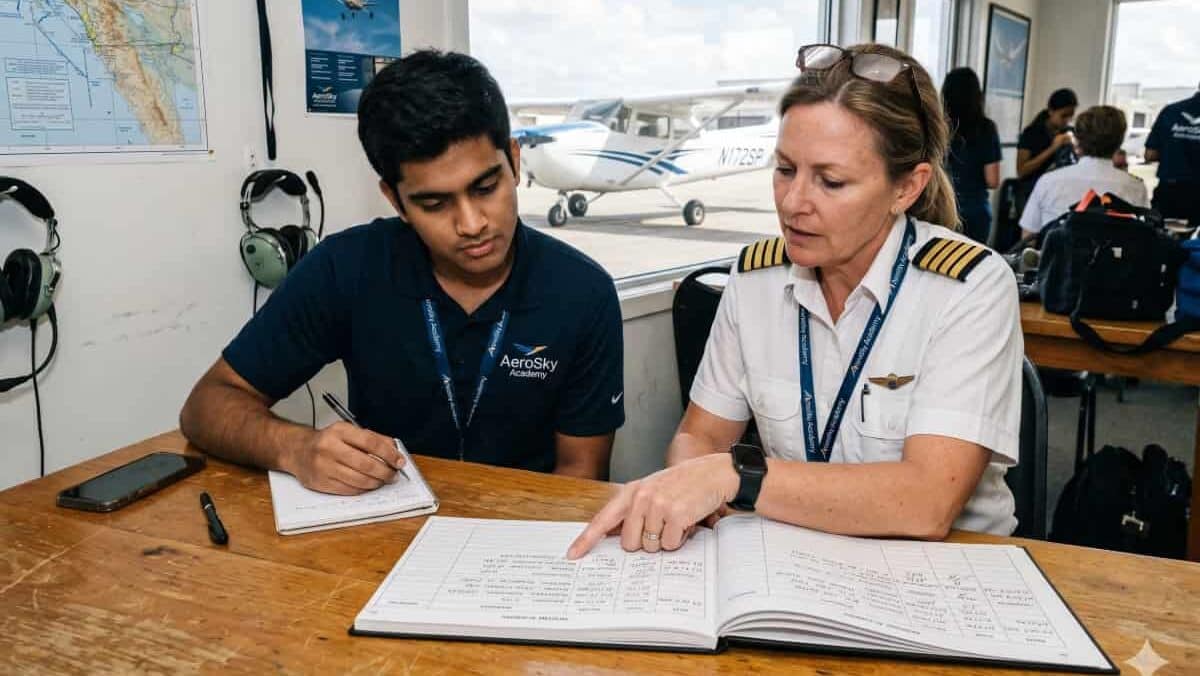
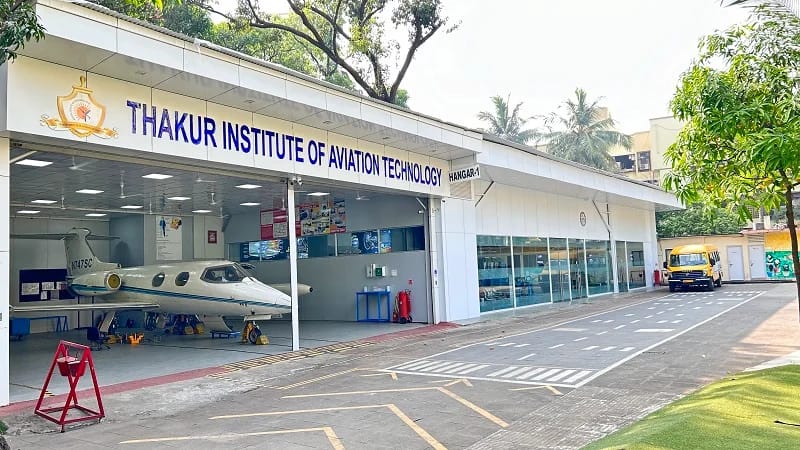
- Practical Training: Aviation is hands-on. Does the institute have its own aircraft, tie-ups with active airports, or partnerships with airlines for live training?
- Placement Support & Industry Recognition: Look for job-linked training. Institutes that have direct campus placement ties with airlines like IndiGo or Air India carry the strongest value.
- Reputation: Speak to alumni who are currently working in the industry to verify the college’s claims.
Also Read: Airworthiness Directive in Simple Words
onclusion: Ready for Take-Off?
The aviation and aerospace industry is no longer just for those who want to fly the plane or serve passengers. As India’s aviation market experiences historic growth, the demand for skilled professionals behind the scenes—in maintenance, planning, corporate offices, and ground operations—is higher than ever.
Here are your key takeaways:
- Look Beyond the Obvious: High-paying, stable careers exist in CAMO, Technical Publications, Aircraft Redelivery, and Aviation Management. You don’t need a commercial pilot license to build an incredibly successful airline career.
- Do Your Research: Whether you choose an AME diploma, a B.Tech in Aerospace, or a quick Ground Handling course, always check for DGCA or EASA approvals.
- Prioritize Placement: The “best” course is the one that aligns with your budget, matches your interests, and offers strong, industry-linked placement support.
For students and parents making this decision, remember that aviation is a global language. The skills you learn today in India can take you across the world tomorrow. Take the time to visit airline career pages, understand the qualifications they are actually asking for, and choose a path that turns your passion for aviation into a lifelong career. The sky is not the limit—it is just the starting point!