Introduction
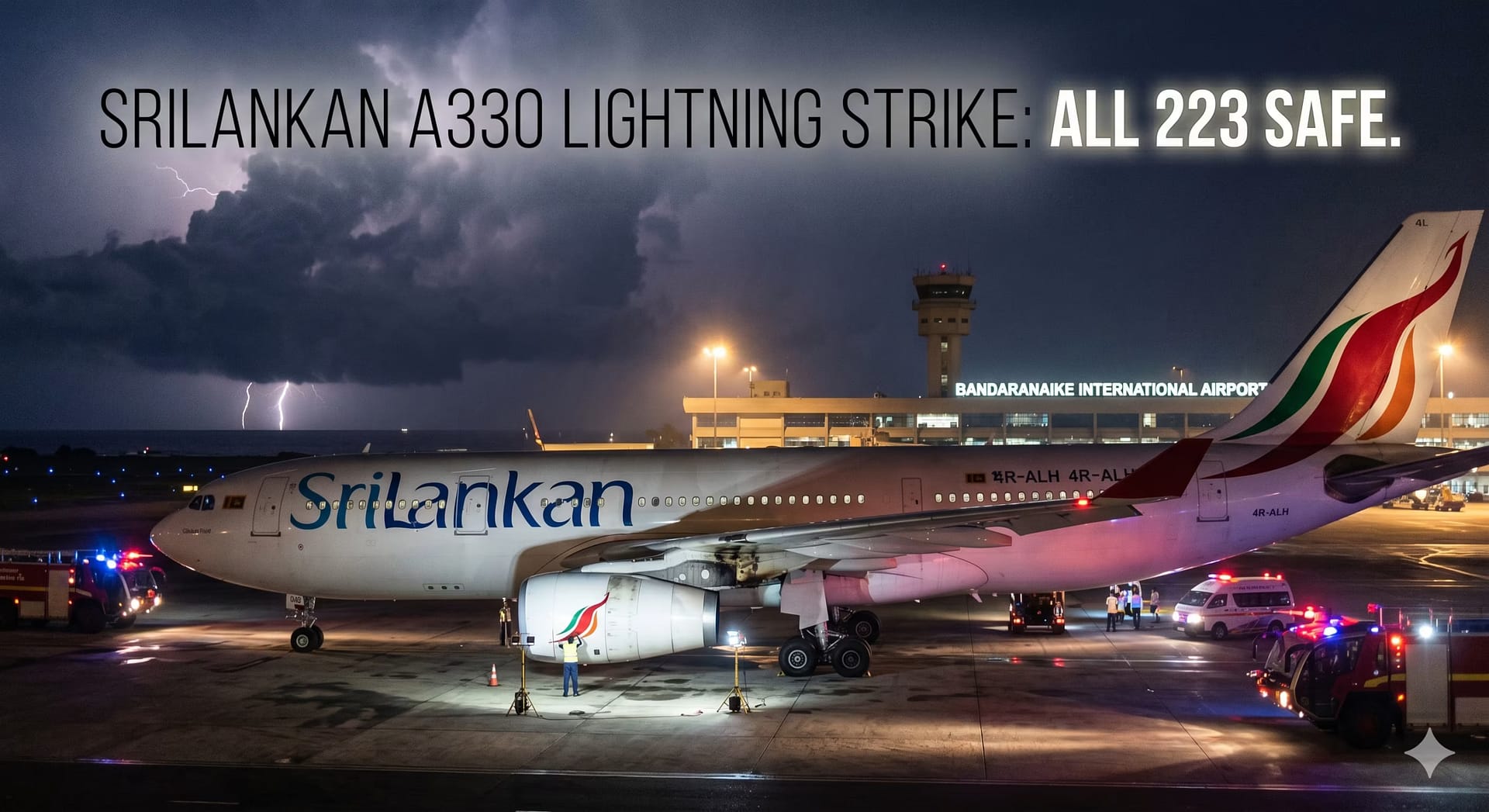
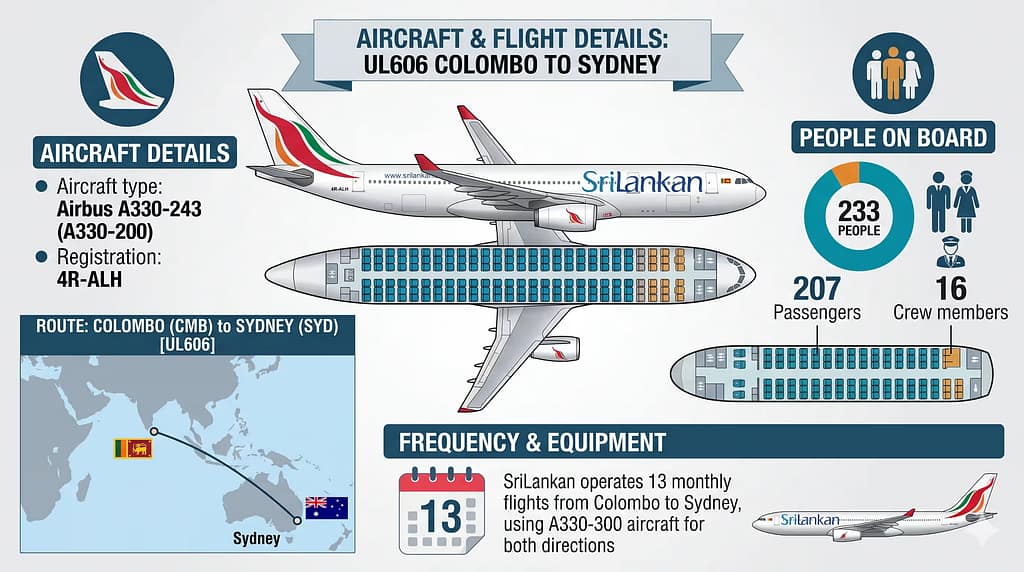
A SriLankan Airline A330 lightning strike shortly after taking off from Colombo on June 12, 2026, causing flames to appear near its left engine and forcing the pilots to make an emergency turnback to the departure airport. All 233 people on board—207 passengers and 16 crew members—disembarked safely without any injuries. This incident matters for India because the Colombo-Sydney route carries many Indian passengers traveling through Sri Lanka, and it highlights how aircraft safety systems handle lightning strikes, a known risk during India’s monsoon season.
Background / Context
What Led to This News
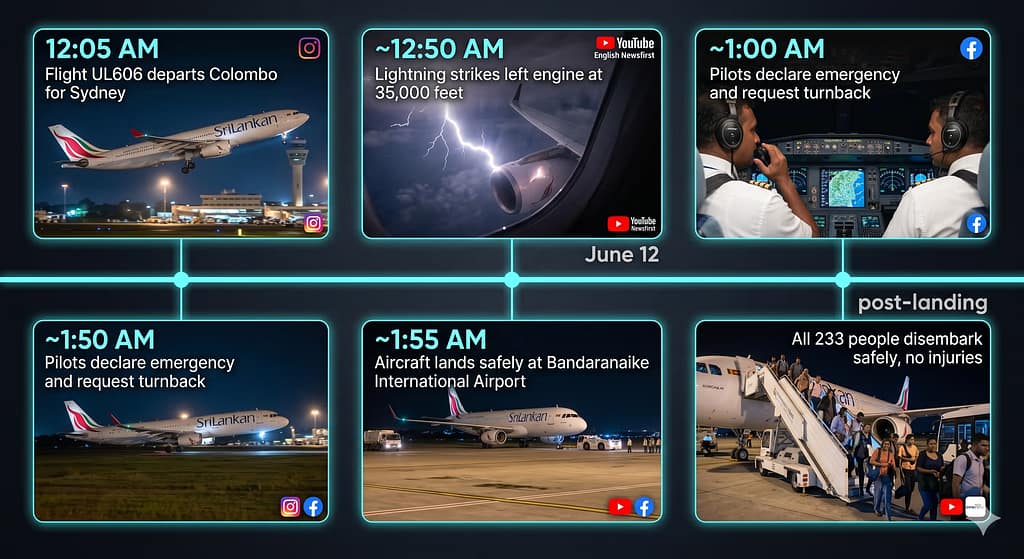
Flight UL606 departed from Bandaranaike International Airport (CMB) in Colombo at approximately 12:05 AM local time on June 12, 2026, heading to Sydney Kingsford Smith Airport (SYD). About 45 minutes after takeoff, while climbing to 35,000 feet in Sri Lankan airspace, the aircraft was struck by lightning near Colombo.
Key Developments / Facts
Timeline of the Incident
Critical Facts from Reports
- Passengers reported hearing a loud bang and seeing sparks and flames near one engine during severe weather conditions
- The lightning strike caused damage to the left engine of the Airbus A330-243
- The aircraft returned to Colombo and landed safely about one hour after departure
- Emergency teams were on standby at the airport when the plane landed
- The incident caused a delay of more than five hours for passengers
- Passengers were later re-accommodated on another aircraft and flown to Australia
- The Civil Aviation Authority of Sri Lanka confirmed further investigations are underway
- SriLankan Airlines stated the aircraft sustained no structural damage despite the engine damage
Impact on Indian Passengers / Airlines / Industry
For Indian Passengers
This incident directly affects Indian travelers because:
- Colombo serves as a transit hub for many Indians flying to Australia, Europe, and the Middle East
- SriLankan Airlines operates 5 weekly flights from Colombo to Sydney, carrying significant Indian passenger traffic
- Indian passengers on this route now may check aircraft weather conditions more carefully before boarding during monsoon season
For Indian Airlines and Safety
India has seen similar lightning strike incidents recently:
- Akasa Air Flight QP 624 (Phuket to Bengaluru) was diverted to Chennai after a lightning strike on March 18, 2026
- The Boeing 737 MAX aircraft landed safely in Chennai and was grounded for checks
- Akasa Air stated: “Lightning strikes are a known and manageable occurrence in aviation, and aircraft are designed and certified to safely withstand them”
DGCA Safety Standards
The Directorate General of Civil Aviation (DGCA) in India maintains strict safety oversight:
- DGCA issued Order No. DGCA-22034/2/2025-FSD on June 19, 2025, to strengthen safety measures across India’s aviation sector
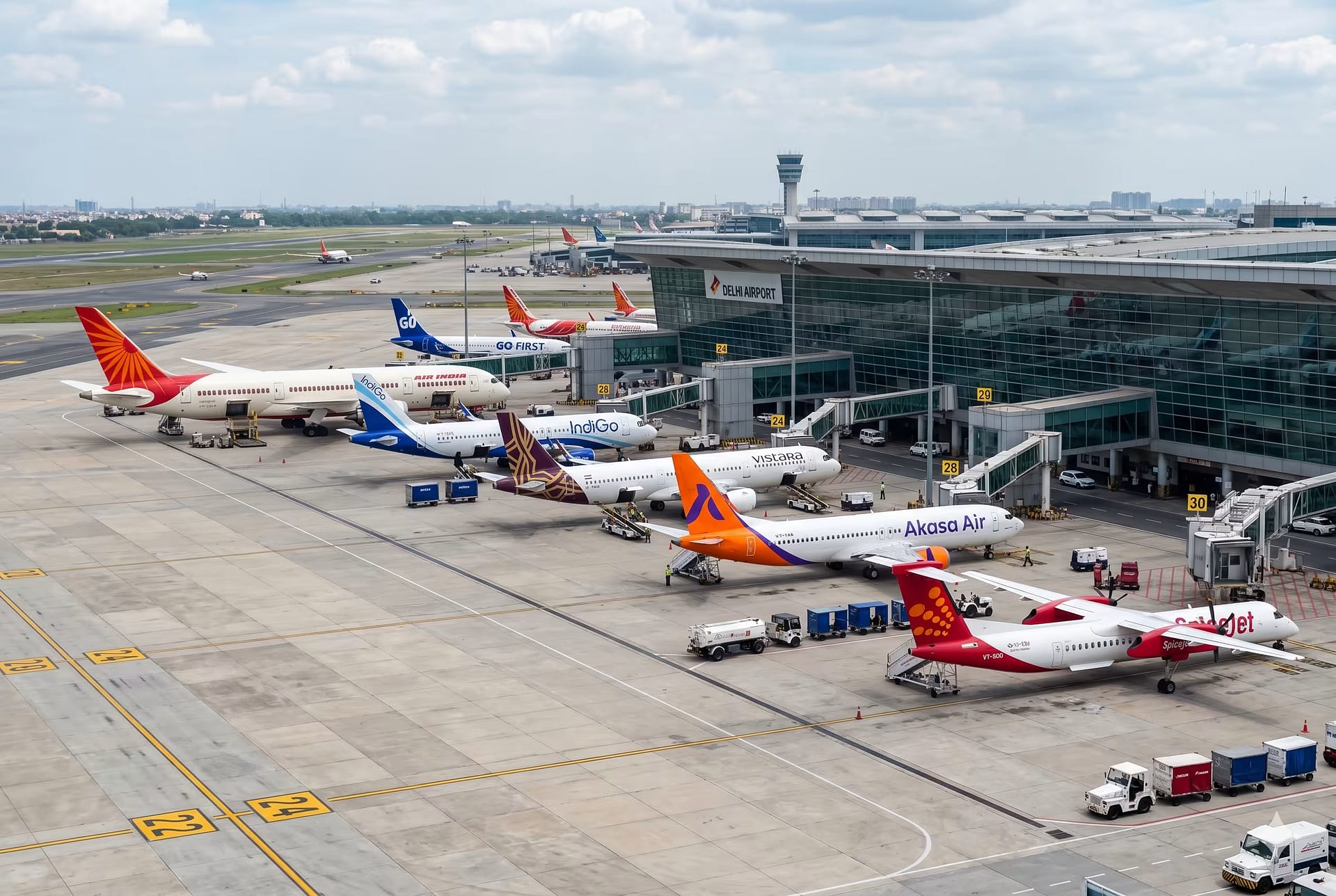
- Two teams led by the Joint Director General conducted comprehensive surveillance at major airports including Delhi and Mumbai
- The surveillance covered flight operations, airworthiness, ramp safety, air traffic control, and navigation systems
Aircraft Lightning Protection Facts
According to Airbus safety guidelines:
- All large aircraft must be designed and certified to withstand lightning strikes without significant damage to their structure
- Passenger safety is maintained because the aircraft’s structure protects occupants during lightning impact
- Lightning strikes are fact, not myth that they will bring a plane down—aircraft are designed to safely absorb and redirect lightning

Expert Opinions / Data / Quotes
Official Statements
Daminda Rambukwella, Director General of the Civil Aviation Authority of Sri Lanka, stated:
“The aircraft landed safely back at the Bandaranaike International Airport. The lightning strike occurred about 45 minutes after departure while the aircraft was in Sri Lankan airspace. Further investigations into the incident are underway.”
SriLankan Airlines spokesperson confirmed:
“No passengers were injured and the aircraft itself sustained no damage” (referring to structural damage)
Industry Data
- Over 2,000 bird/animal hits have been reported annually at 20 major Indian airports since 2023, with 641 hits reported until June 2025
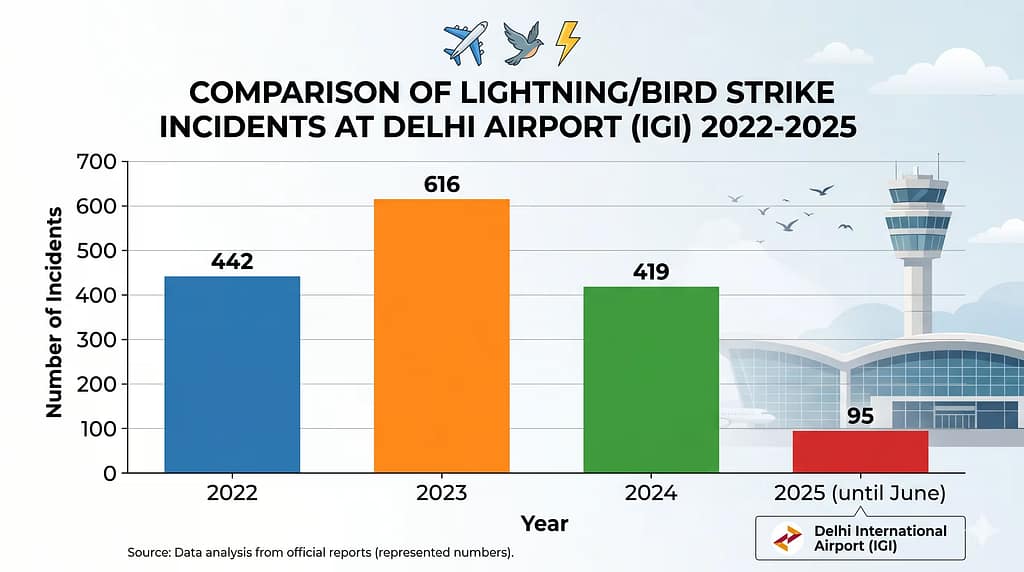
- Delhi airport has averaged 400-plus incidents annually in the last three years (442 in 2022, 616 in 2023, 419 in 2024)
- Five Indian airlines reported 183 technical defects in their aircraft until July 2025, with IndiGo (62) and Akasa Air (28) reporting the most
- Government data shows 2,400 aircraft faults flagged over 5 years, with 2025 recording the lowest incidents
What’s Next / Future Outlook
Investigation Timeline
- The Civil Aviation Authority of Sri Lanka has begun further investigations into the lightning strike incident
- Typically, such investigations take 2-4 weeks to complete preliminary findings
- The aircraft will undergo detailed engine inspection and maintenance before returning to service
Passenger Recovery
- Passengers on UL606 were re-accommodated on another aircraft and flown to Sydney
- SriLankan Airlines will likely offer compensation or travel credits for the 5+ hour delay
Industry Safety Measures
For Indian aviation, this incident reinforces:
- Continued DGCA surveillance at major airports will continue to detect hazards
- Indian airlines will maintain strict weather monitoring during monsoon season (June-September)
- Aircraft manufacturers like Airbus will continue emphasizing that lightning strikes are manageable
Monsoon Season Alert
With June 2026 being the start of India’s monsoon season, Indian passengers should:
- Expect possible weather-related delays at major airports
- Check flight status before heading to the airport
- Understand that pilots will divert or turnback when lightning risk is high, as safety is priority
Conclusion
The SriLankan Airlines A330 lightning strike incident demonstrates that modern aircraft safety systems work effectively—even when flames appear near an engine, all 233 people survived without injuries. For Indian travelers and airlines, this reinforces that lightning strikes are manageable risks, especially during monsoon season, and that pilots’ quick decisions to turnback prevent worse outcomes. Follow airline360.in for updates on the investigation and any changes to SriLankan’s Colombo-Sydney operations.
Also Read:
India’s Most Dangerous Air Accidents: A Look Back at Tragic Incidents